What to capture during a retreat: A visual storytelling guide for facilitators
Planning a retreat involves months of preparation from choosing the right location to curating the whole retreat experience. Yet one of the most overlooked elements is how the retreat will be documented. Thoughtful photography and visual storytelling are essential, not only for memories, but for future retreats, marketing, and building trust with your community.
In this blog post, we’ll explore what to capture during a retreat, why these moments matter, and how intentional imagery helps communicate the true essence of your retreat experience.
This guide is written for retreat facilitators, wellness leaders, yoga teachers, and retreat photographers who want to create meaningful and authentic visual content.
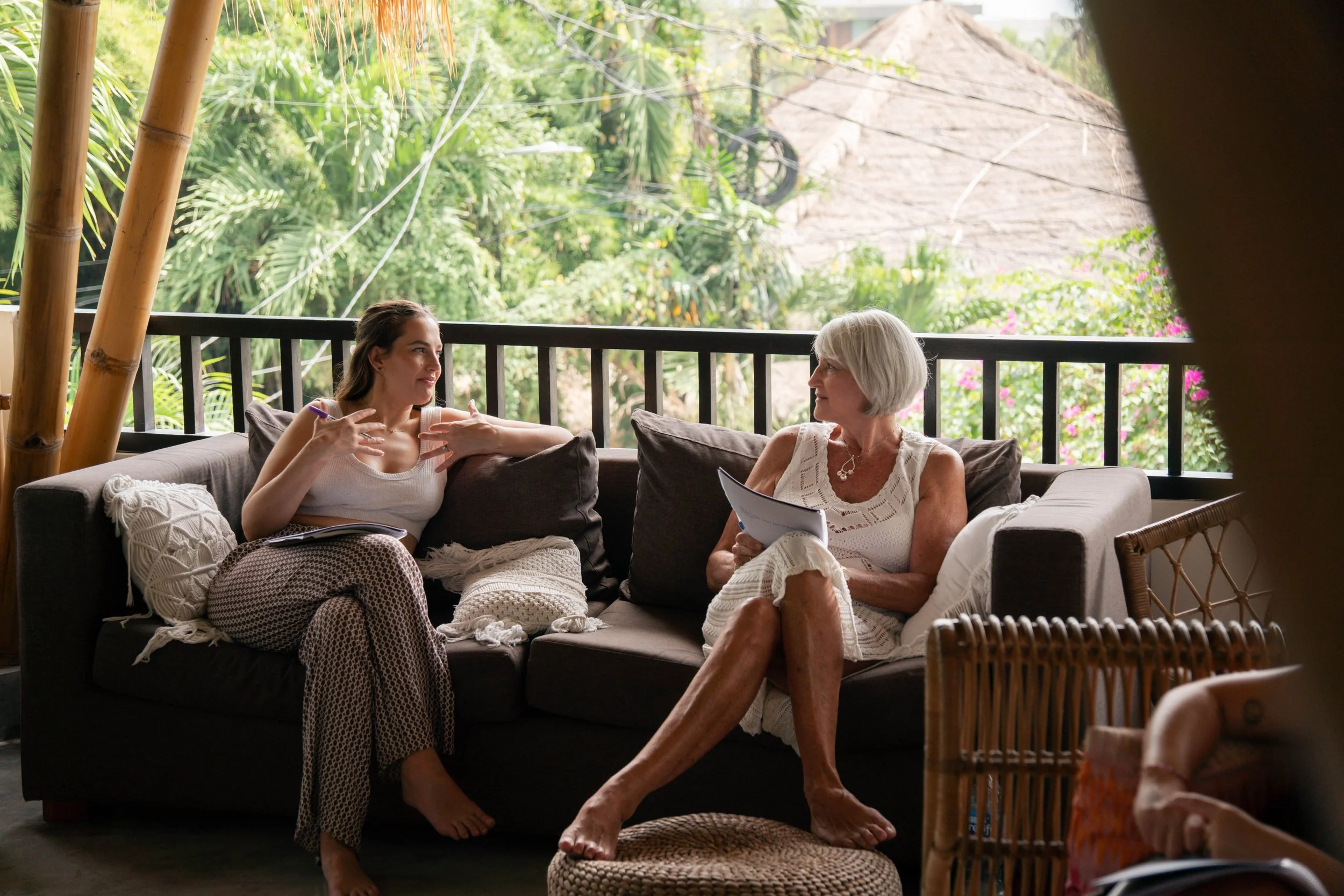
Why documenting a retreat matters
A retreat unfolds over days, but its impact often lasts much longer. What makes a retreat meaningful isn’t just the schedule. it’s the subtle moments in between: the slowing down, the connections, the transformational shifts that are hard to put into words.
When a retreat is documented with intention, the images become a way to translate that experience visually. They help future guests understand the atmosphere, the depth, and the rhythm of the retreat, rather than just what activities were offered.
From a practical perspective, clear and thoughtful visual documentation also supports your long-term visibility online. Platforms like Google and Pinterest favor content that feels cohesive and story-driven, allowing your retreat imagery to stay relevant and discoverable well beyond the retreat itself.
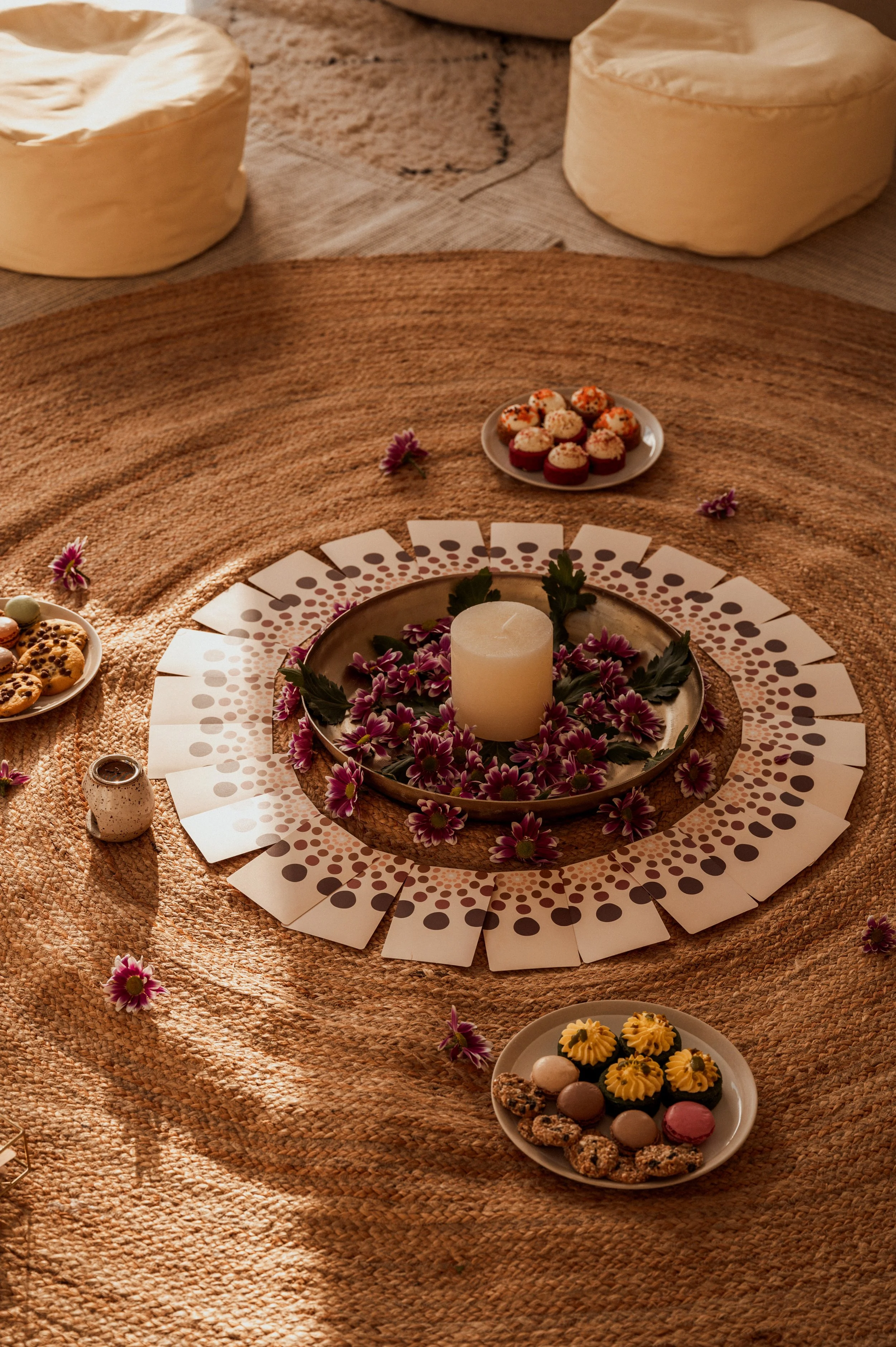
Retreat spaces before the journey begins
Photographing the space before participants arrive is essential.
What to capture:
Yoga shalas, ceremony spaces, and communal areas
Dining tables set for meals
Altars, cushions, flowers, incense, and journals
Natural light throughout the day
Why it matters: These images are timeless and reusable for websites, blogs, Pinterest pins, and future retreat launches. They support searches like retreat venue photography and retreat space inspiration.


Rituals & Sacred Moments
Rituals are the quiet anchors of a retreat. They slow the pace, bring people into the present moment, and create a shared sense of meaning that’s often felt more than spoken.
These moments don’t ask to be documented loudly. They ask for sensitivity, distance, and trust in what doesn’t need to be seen fully to be felt.
Look for:
Opening and closing circles
Candles being lit, offerings being placed
Hands held together, eyes closed
Stillness, breath, focus
Photo ideas:
A wide shot of the group from a respectful distance
Close-ups of hands, candles, or symbolic objects
Side angles that preserve intimacy
The goal here is not documentation, it’s the atmosphere. It’s important that there is a sense of respect for the shared space. A professional retreat photographer moves quietly during these moments. They are present without being intrusive, allowing the ritual to remain sacred while still being translated visually.


Movement, flow & embodiment
Movement brings energy into the visual story.
These moments show freedom, expression, and presence especially when they’re captured spontanously, not at a “perfect” pose.
Notice:
Yoga or stretching sessions
Walking meditations
Dancing, shaking, gentle movement
Bare feet on earth or studio floors
Photo ideas:
Low-angle shots of feet moving
Fabric catching air during movement
Wide shots that show flow rather than form
Movement images add life and contrast to quieter moments.
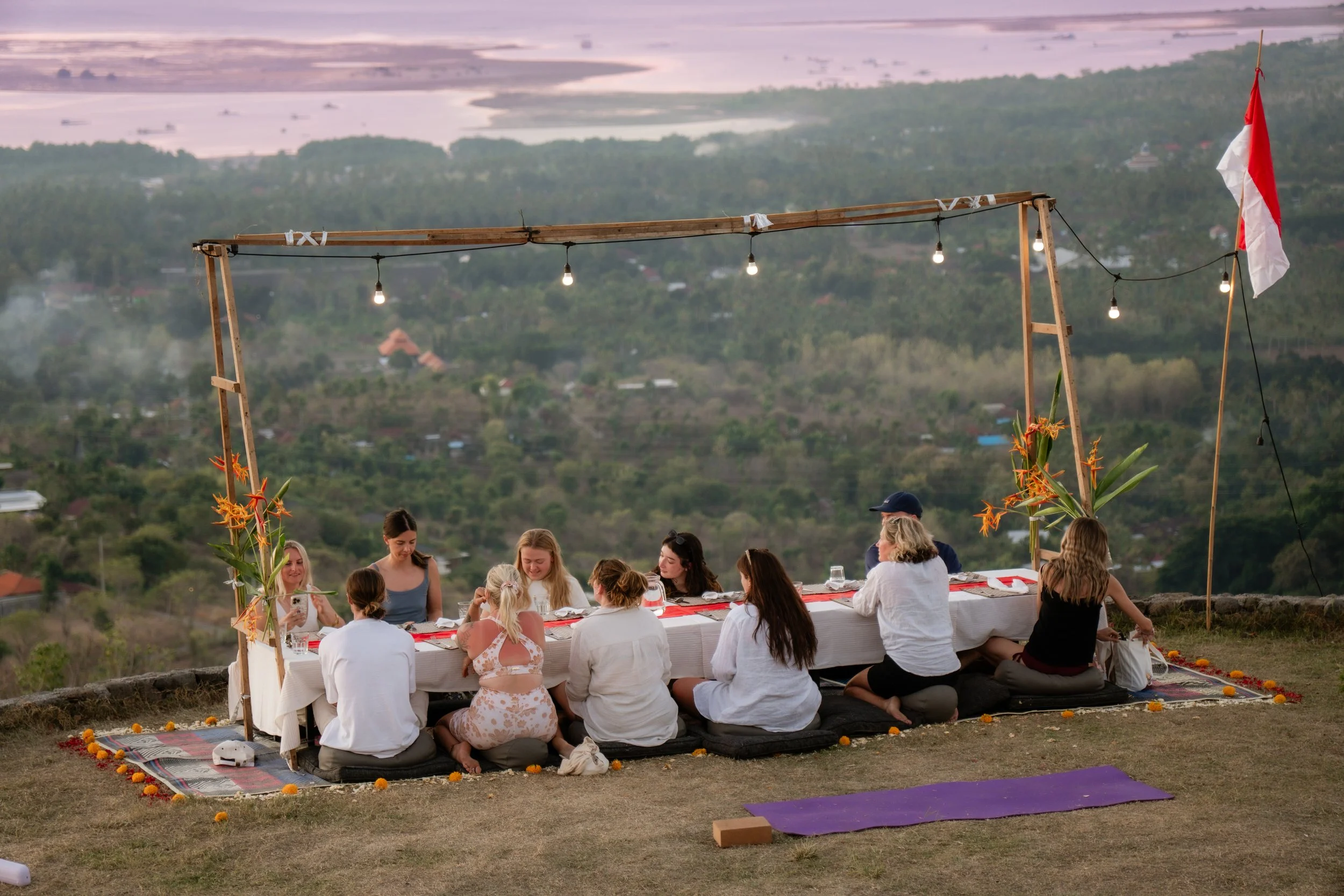
Connection & Community
This is often what people remember most.
Connection happens in between sessions during meals, conversations, shared laughter, and quiet support.
Look for:
Conversations over tea or meals
Laughter and relaxed faces
Eye contact, gentle touch, shared moments
Small groups forming naturally
Photo ideas:
Candid table moments during meals
Two people in conversation, slightly off-center
Group laughter without looking at the camera
These images answer a silent question future guests often carry: Will I feel safe and connected here?

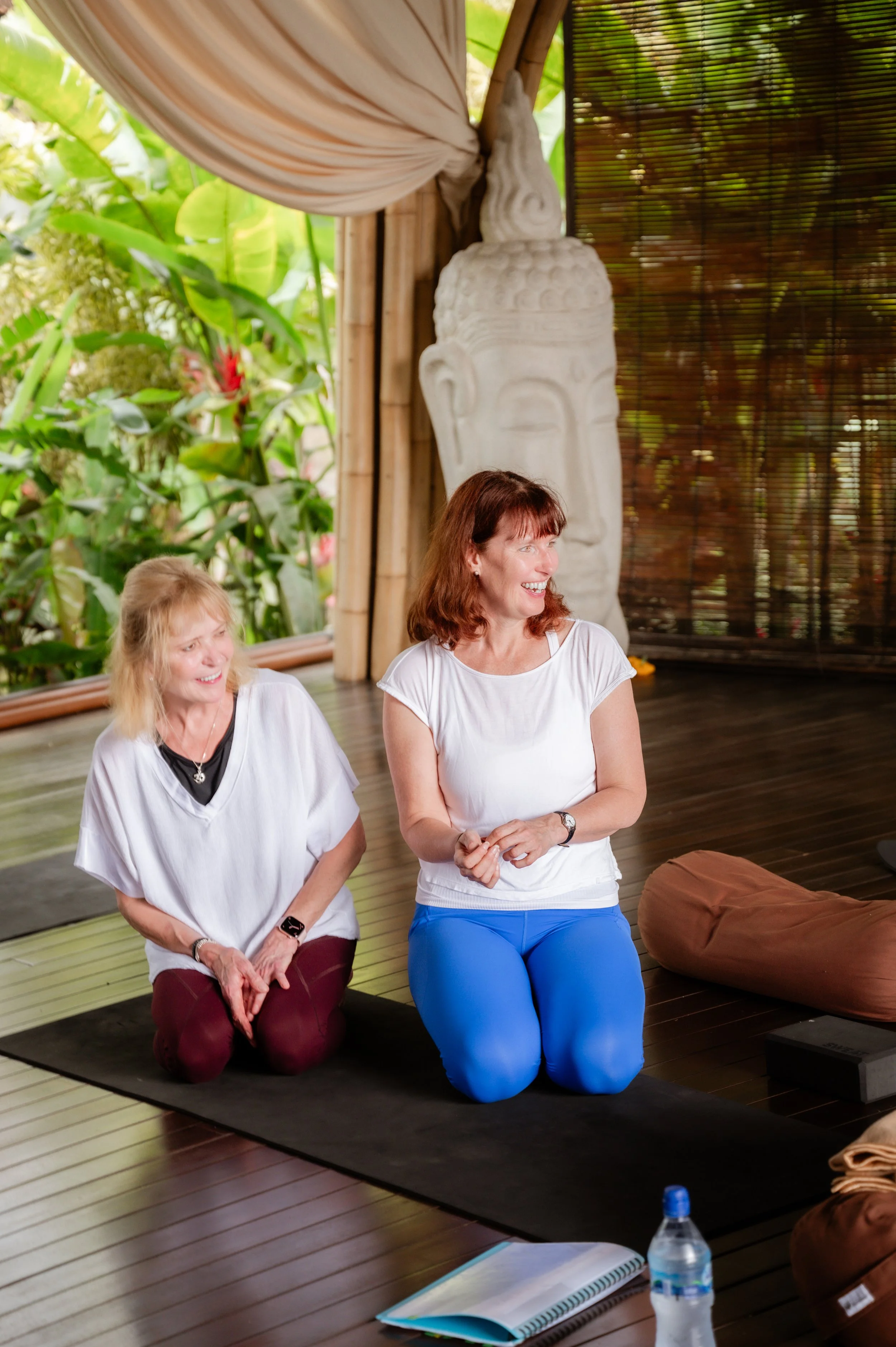
Images of you as the facilitator
A retreat is experienced through the space, the group, and the practices but it is guided through you.
Including photos of you as the facilitator is not about self-promotion. It’s about clarity and trust. Future guests want to understand who will be holding the space, setting the tone, and guiding them through vulnerable and transformative moments.
These images help people feel your presence before they arrive.
Look for moments where you are:
Guiding a ritual or opening a circle
Speaking, listening, or holding space
Moving naturally within the group
Standing quietly, observing, or supporting
Photo ideas:
You leading from within the circle, not apart from it
Side-profile shots while speaking or guiding
Wide shots where your presence is felt, not centered
Images of you in action communicate grounded leadership, experience, and energetic safety. They allow future guests to sense whether your way of holding space resonates with them often long before they read a single word.
These photos also become essential assets for your website, retreat sales pages, and future invitations.

Environment & Venue
The space matters.
It sets the tone, tells the story, and shows what it feels like to be there.
Notice:
Gardens, trails, and outdoor spaces
Local plants, flowers, and textures
Views, pathways, and hidden corners
People interacting with the environment
Photo ideas:
Wide shots of the venue and surroundings
Close-ups of flowers, textures, or details
Morning or golden hour light on landscapes
Humans in the space to show scale
These images ground the story. They make viewers feel the retreat, not just see it.
Closing & Departure
Endings matter.
They hold emotion, gratitude, and a sense that something has shifted even if it can’t be named.
Notice:
Closing circles and final rituals
Hugs, tears, long goodbyes
Bags being packed, last walks
Photo ideas:
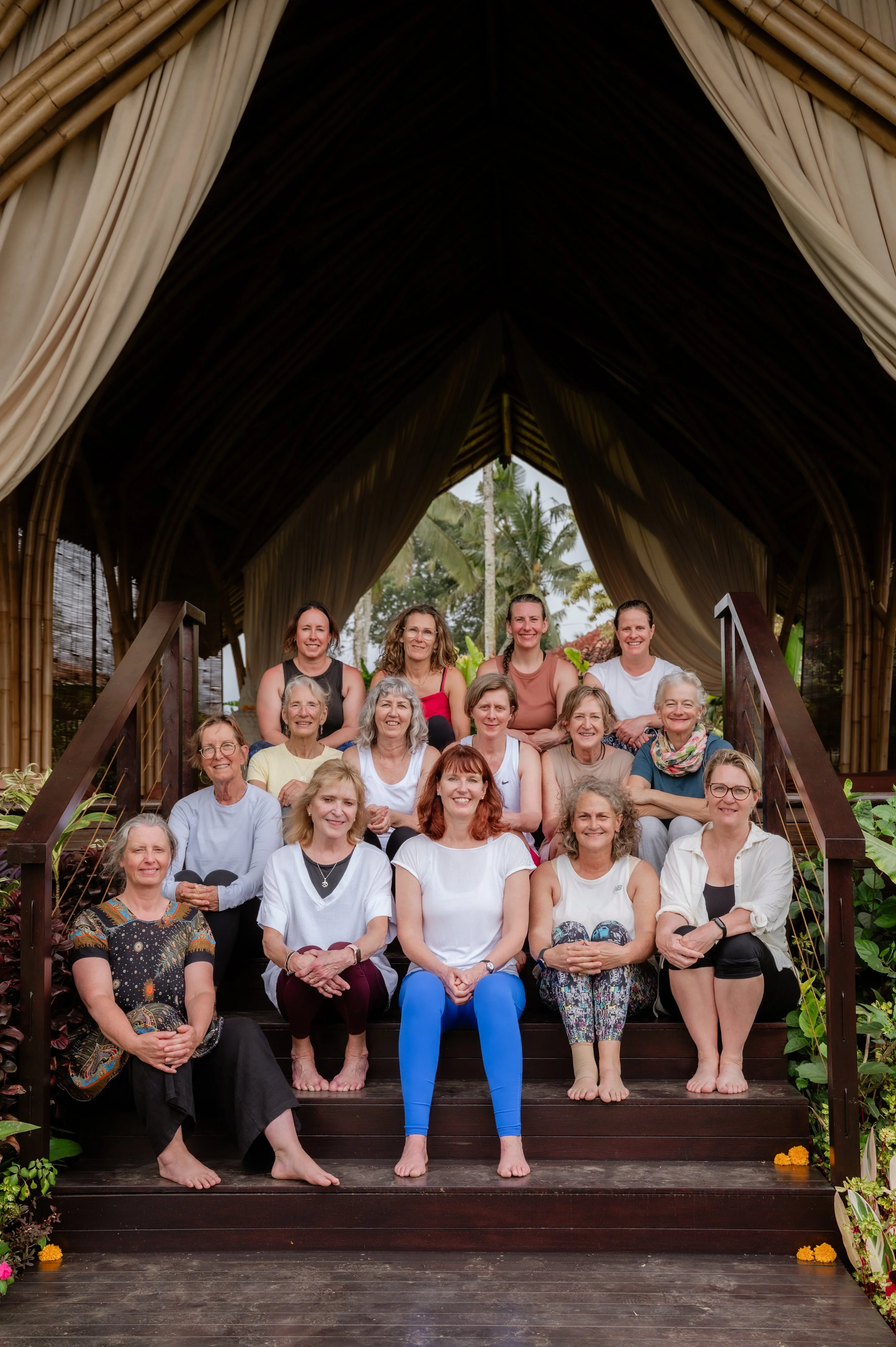
Gentle group shots at the end
Close-ups of hugs or hands
The space after everyone has left
These images complete the story.
Final thoughts: Capture the story, not just the schedule
When planning retreat photography, think beyond individual shots. Consider the full narrative from arrival to departure. When done intentionally, retreat imagery becomes a long-term asset for your brand, helping you attract aligned guests and communicate the soul of your work.
If you’re a retreat facilitator, this guide can also serve as a checklist to share with your photographer to ensure your retreat is documented with depth, intention, and clarity.
For retreats in Bali or Europe, I offer photography packages that capture the essence, energy, and transformation of your retreat creating imagery that speaks to your community long after the retreat ends. Let’s bring your 2026 Retreat Vision to life!
With love & inspiration,
Jessica Francis
